Shqip
Shqip English
Civil society activists receive training on LGBTI rights
- Apr 30, 2015
- Ambasada Pink
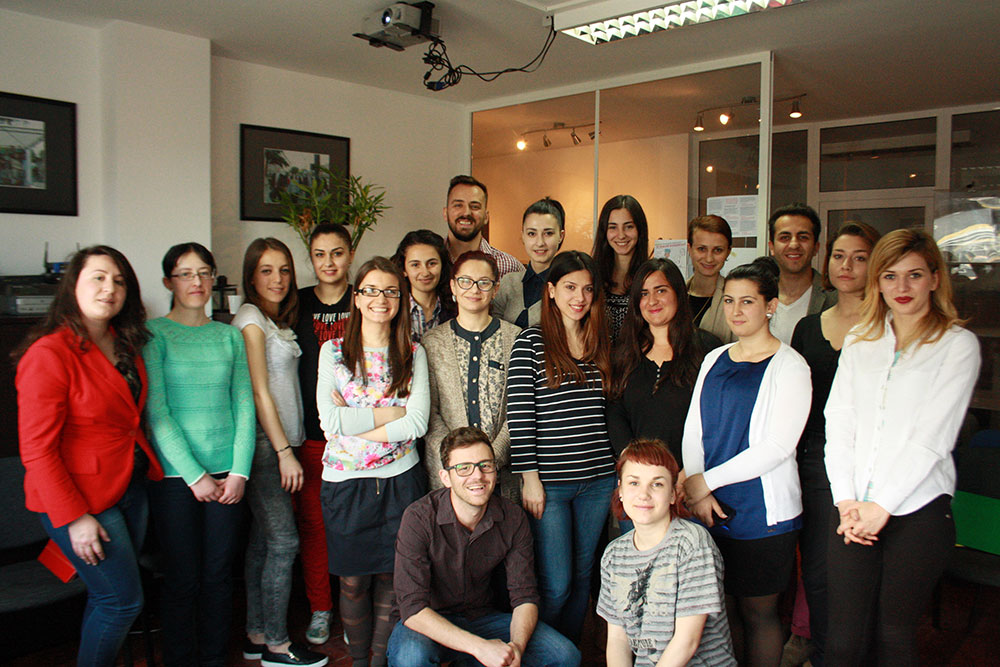
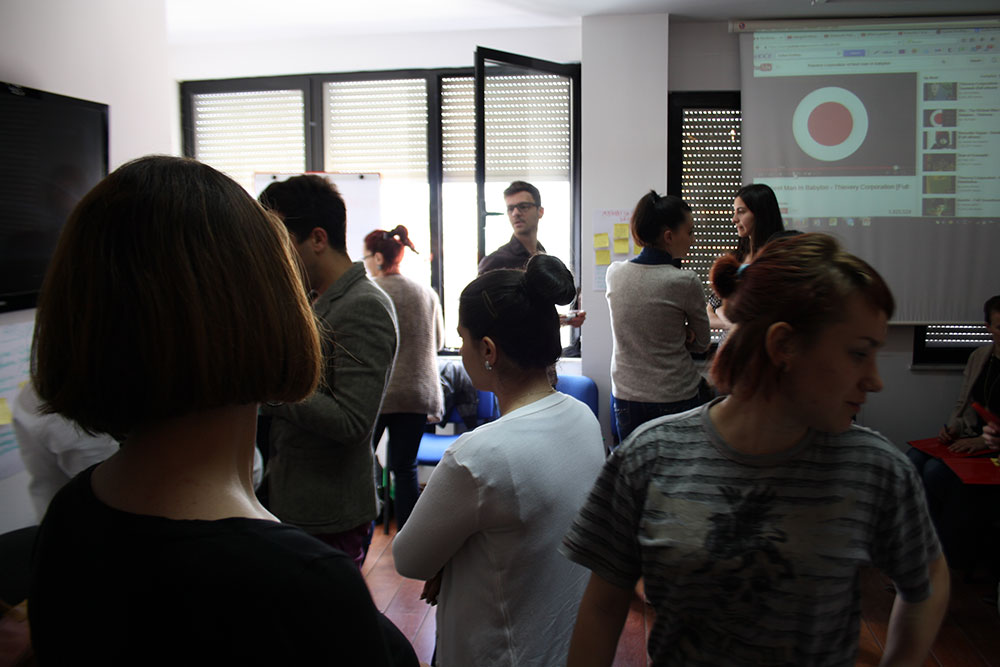
29 April 2015 – Young activists from Albanian civil society attended today a one-day training at PINK Embassy / LGBT Pro on “LGBTI rights and offering friendly services”. The training was held in the framework of the initiative “Improving the lives of LGBTI people at the local level” and “Improving the performance of public institutions towards LGBTI people”.
The activists were representatives of organizations such as Children’s Rights Centre of Albania (CRCA), Open Mind Spectrum Albania (PMDA), Partners for Children, Tirana Legal Aid Service (TLAS), Albanian Helsinki Committee, Institute of Roma Culture in Albania (IRCA), La casa nel cuore, National Association of Social Workers, Albanian Centre for Population and Development (ACPD), Albanian Volunteers Network, Your Vote Counts, Youth Committee and Tirana Observatory.
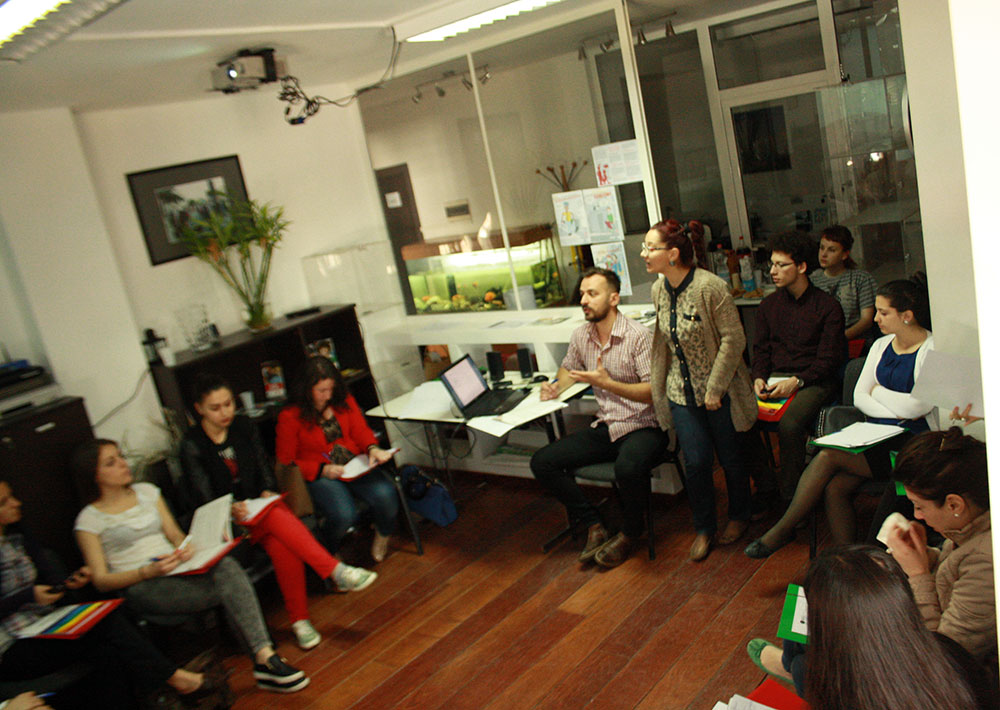
The training aimed to present old and new concepts related to the LGBTI topic and to discuss with young activists ways how to change social and institutional mentality. The second part of the training served to go deeper into concepts and to make suggestions and recommendations on improving the quality of services and raise awareness on the LGBTI community.
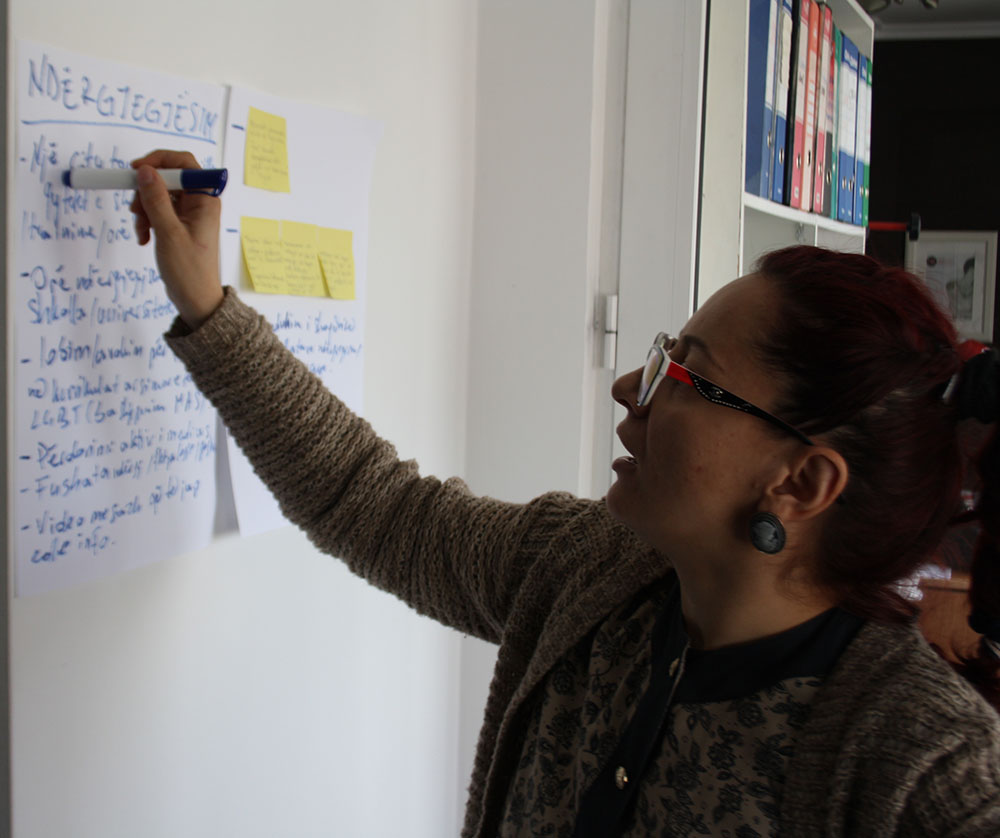
The recommendations will be collected in a single document together with those of different public institutions collected a few days ago and will be handled to the Ministry of Social Welfare and Youth in the framework of the latter’s preparatory work on the Plan of Measures against discrimination based on sexual orientation and gender identity (2015-2020).
In their recommendations young activists put emphasis on raising institutional and public awareness, in holding trainings and open lectures with health services, teachers, psychologists, police, service providers etc. They also suggested the inclusion of the LGBTI topic in school curricula, in protecting LGBT people in the penitentiary system, especially trans people, in including the LGBTI community in studies related to employment, health, abuse with alcohol or drugs. All working groups suggested more visibility in the media with videos and awareness campaigns, debates and a broader representation of the topic not only in big cities but also smaller communes and rural areas of the country.
In their own judgment for the training participants estimated that now they will have better argumentation, and a possibility to express themselves more freely, to understand LGBT people etc. They also suggested more awareness raising events.
Supporters and Partners