Shqip
Shqip English
PINK reports to the EU on the situation of the LGBTI community
- Nov 24, 2015
- Ambasada Pink
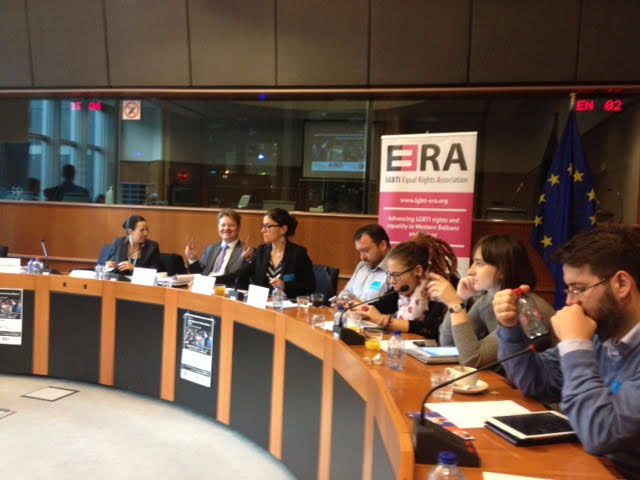
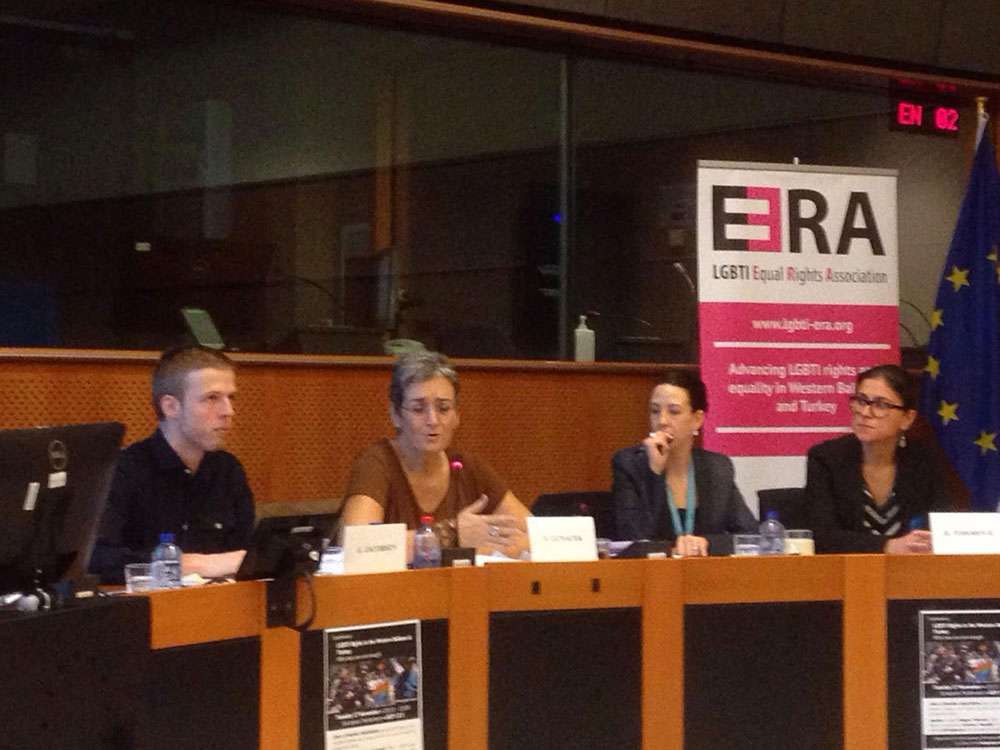
Brussels 16-17 November – PINK Embassy / LGBT Pro Albania reported last week to Brussels on the situation of the LGBTI community in Albania. In a tour of meetings with EU institutions which work directly with enlargement, PINK enlisted the demands of the LGBTI community and reported some of the issues faced in the areas of discrimination, legislation, policies etc.
The event, which is organized annually by ILGA Europe was attended by LGBTI activists from Albania, Montenegro, Bosnia-Herzegovina, FYR of Macedonia, Turkey, Kosovo and Serbia. Activists met with officials and representatives of the EU from the Parliament, Commission, the Council and agencies such as DG Near and EEAS.
At these meetings PINK Embassy representative Mr. Amarildo Fecanji emphasised that while there have been some positive developments such as the Parliament Resolution of 7 May 2015, the drafting of the National Action Plan from the MSWY and somewhat an increase in collaboration with public institutions, Albania continues to have major challenges in respecting and advancing the rights of LGBTI people.. Here are issues such as lack of political will to effectively advance LGBTI rights and fight discrimination, poor access to local services which is reflected by several complaints of the LGBT community, lack of legal advancement especially in relation to civil unions, legal gender recognition, recognition of intersex rights, poor implementation of the law for protection from discrimination, poor protection from violence as well as the increasing number of Albanian LGBTI people seeking asylum in the EU.
PINK recognized that the Albanian government has done a lot to align its legislation with the acquis and international standards. Still it is important for these laws and regulations not to remain on paper. For that a more serious and active engagement of the Government is needed especially in relation to an effective implementation of the National Action Plan which requires financial resources, human capacities and a closer cooperation with civil society. Moreover a monitoring and evaluation mechanism is needed which can provide inputs and comments to the progress of the Action Plan.
Finally PINK Embassy emphasised the importance of increased independence of independent institutions such as the Ombudsman and Commissioner for Protection from Discrimination by taking into account their recommendations but also by increasing the accessibility of LGBTI people to the services of such institutions as well as those of justice and local services.
Supporters and Partners